Booking your first telehealth appointment can feel a little unfamiliar, especially if you are used to sitting in a waiting room. For most people, the experience is more relaxed and straightforward than expected, with the same clinical attention you would receive during a face-to-face visit.
Here is what to expect, from the moment you book to the follow-up care you may receive afterwards.
What You Will Need
You do not need much to have a productive telehealth consultation. The basics are:
- A smartphone, tablet, or computer with a working camera and microphone (for video consultations)
- A reliable internet connection (standard home broadband or 4G mobile data is fine)
- A quiet, private space where you feel comfortable talking openly
- Your Medicare card (you will need your Medicare number for any applicable rebates)
- A list of current medications, including supplements and over-the-counter products
- Your health history notes, particularly any conditions you have been previously diagnosed with or treated for
If you are joining a video call, it helps to test your camera and microphone beforehand. Most telehealth platforms include a simple tech check when you first sign in.
How to Prepare Before Your Appointment
A little preparation goes a long way in making your consultation as productive as possible.
Write down your concerns before you start. It is easy to forget why you booked once you are in the moment. Jot down your main symptoms or questions. Even a rough list on your phone helps you stay on track.
Know your medications. Your GP will ask what you are currently taking. Have the medication names and dosages ready, or take a photo of your medication boxes beforehand.
Be honest. Telehealth GPs are bound by the same confidentiality obligations as in-person doctors. The more openly you can describe your symptoms, lifestyle, and concerns, the more your GP can tailor their clinical advice.
Check your lighting. If you are doing a video consultation, sit facing a light source (like a window) rather than having the light behind you. Good lighting helps the GP see you clearly, which can be useful for visual assessments.
What Happens During the Consultation
Once your appointment begins, the process is similar to seeing a GP face to face. Your doctor will:
- Confirm your identity using your name, date of birth, and Medicare number
- Ask about your reason for the appointment to understand your main concern
- Take a brief medical history if it is your first time with this GP
- Ask follow-up questions about your symptoms, how long you have had them, and any related health factors
- Offer clinical advice based on what you have described, which may include lifestyle recommendations, a prescription if deemed clinically appropriate, or a referral
For most standard consultations, expect the appointment to run between 10 and 20 minutes. More complex concerns or mental health consultations may take longer.
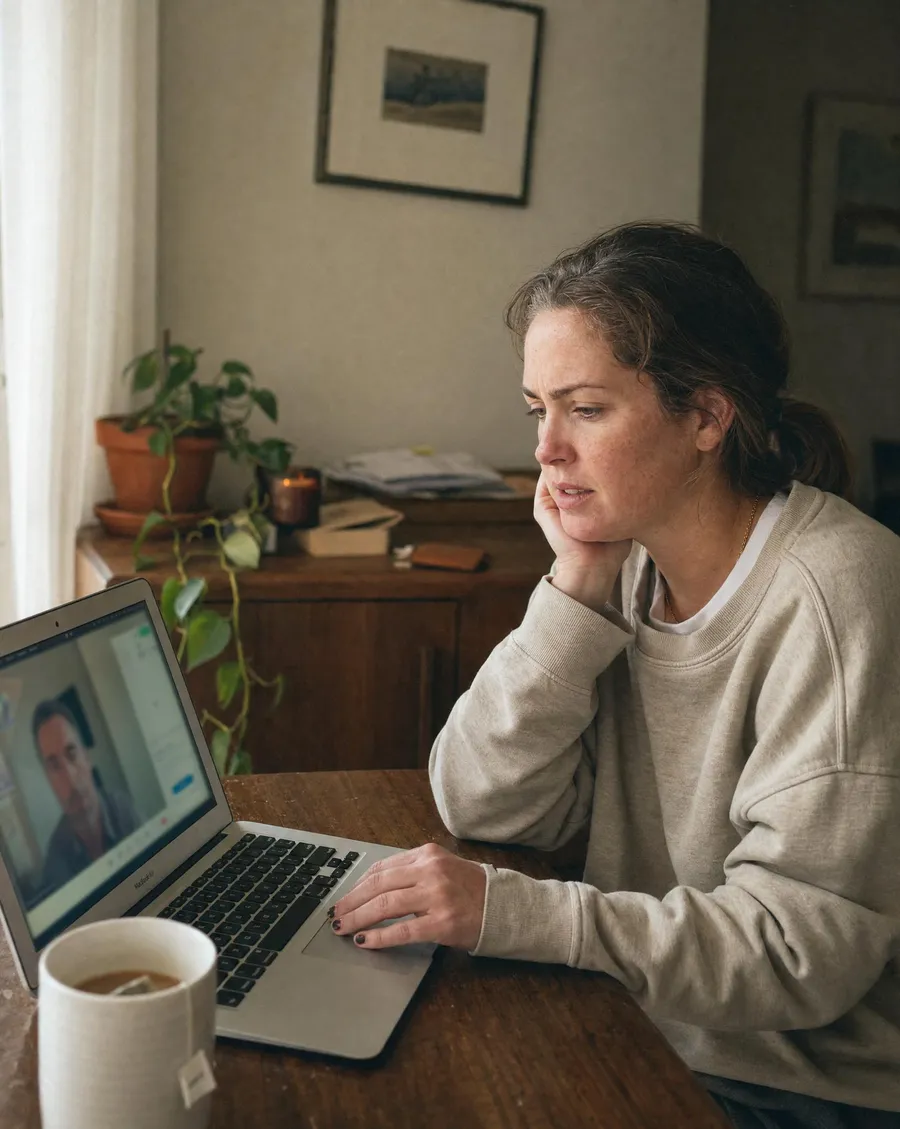
Video versus phone calls: Most consultations are conducted via video, which allows the GP to observe visible symptoms and makes the appointment feel more personal. In some cases (such as prescription renewals or simple follow-ups) a phone call may be appropriate. You will typically be able to indicate your preference when booking.
What You May Receive After the Appointment
Depending on the clinical outcome of your consultation, you may receive one or more of the following:
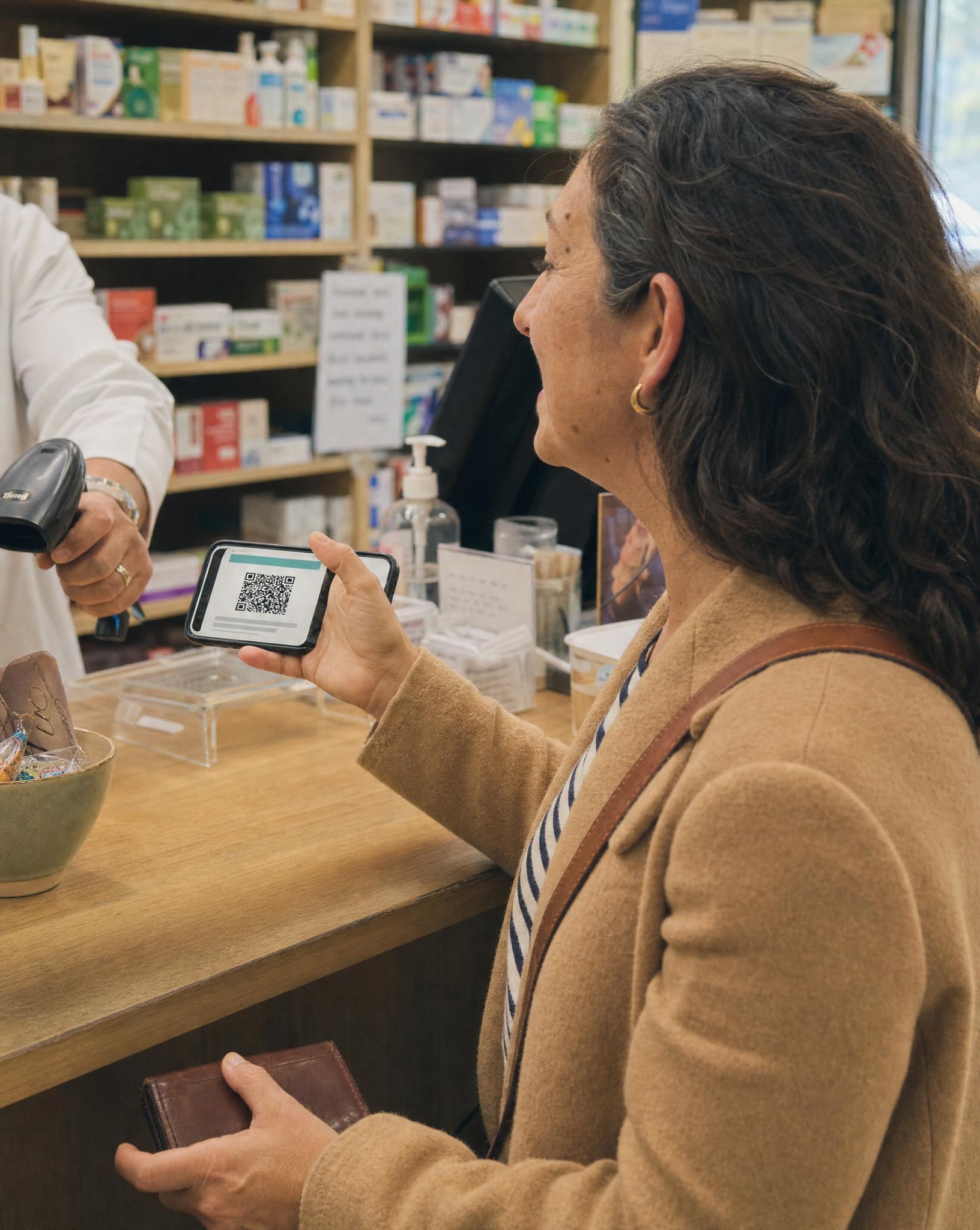
- eScripts sent directly to your mobile phone via SMS. You can take these to any Australian pharmacy.
- Referral letters for further medical consultation, pathology, or imaging, sent to your nominated email address as a PDF.
- Medical certificates emailed shortly after the consultation.
- Pathology or imaging requests sent to your email, which can be taken to any collection centre.
Documents are sent securely and are typically received within 15 to 30 minutes of your appointment ending.
Tips for Getting the Most Out of Your Appointment
Book when you are in a good spot. Try to schedule at a time when you will not be distracted or interrupted.
Be specific about your symptoms. Describe pain levels, frequency, and how symptoms are affecting your daily life. This helps your GP make more informed clinical decisions.
Ask questions. If you do not understand something your GP has said, ask them to explain it differently. A good doctor welcomes your questions.
Follow up if needed. If your symptoms do not improve, or if new ones develop, book another appointment. Telehealth makes it straightforward to check in without travelling to a clinic.
A Flexible Way to Access GP Care
Telehealth does not replace every aspect of in-person care. Some conditions genuinely require a physical examination, and your GP will let you know if that is the case. For many common GP consultations, however, telehealth can provide a convenient and accessible option.
Whether you are discussing test results, managing an ongoing condition, or addressing a new health concern, telehealth puts a qualified GP within reach wherever you are.
Individual health outcomes vary. Your GP will advise whether telehealth is appropriate for your specific situation, or whether an in-person consultation is recommended.
Ready to book your first consultation? Visit Telemate Health to get started.